7 Essential Security Professional Skills
The Core Skills Every Security Officer Needs to Succeed
Article Overview
Ever noticed how some security professionals seem unshakeable, handling situations with ease and confidence, while others struggle?
The difference often boils down to a set of core skills that the best in the business have mastered.
Whether you’re new to the field or a seasoned pro, these essential skills could be your key to standing out and succeeding in the security industry.
1. Situational Awareness: Seeing Beyond the Obvious
In security, being aware of your surroundings isn’t just helpful; it’s vital. Great security officers have an almost sixth sense about potential threats and unusual activities.
This skill, known as situational awareness, is the ability to observe and assess what’s happening around you and recognize signs of danger before they become incidents.
Imagine patrolling a quiet building at night. It’s not just about looking around; it’s about noticing subtle details—the slightly ajar door, the flickering light, the odd sound—that may hint something is off. Building this skill takes practice and patience, but it’s the bedrock of effective security work.

2. Communication: Clarity Can Save Lives
Think communication is just about talking? Think again. In the security field, clear, concise, and calm communication can make the difference between a resolved situation and a full-blown crisis.
Security professionals need to communicate effectively with clients, teammates, law enforcement, and sometimes the public, often under pressure.
Great security officers are also skilled at using a range of communication tools, from radios to incident report software. Even in the middle of a tense situation, keeping a professional, calm tone can de-escalate tensions and help maintain control.
3. Decision-Making: Quick Thinking Under Pressure
Imagine you’re on patrol and notice a suspicious person attempting to enter a restricted area. What do you do?
Security professionals often need to make split-second decisions, balancing protocols, safety, and situational nuances. Great decision-making in security relies on both knowledge of protocol and good judgment, especially since not every scenario will have a straightforward answer.
Decision-making skills are strengthened by thorough training and on-the-job experience, but they also require a mindset that’s calm and clear under pressure.

4. Professionalism and Presence: Confidence Matters
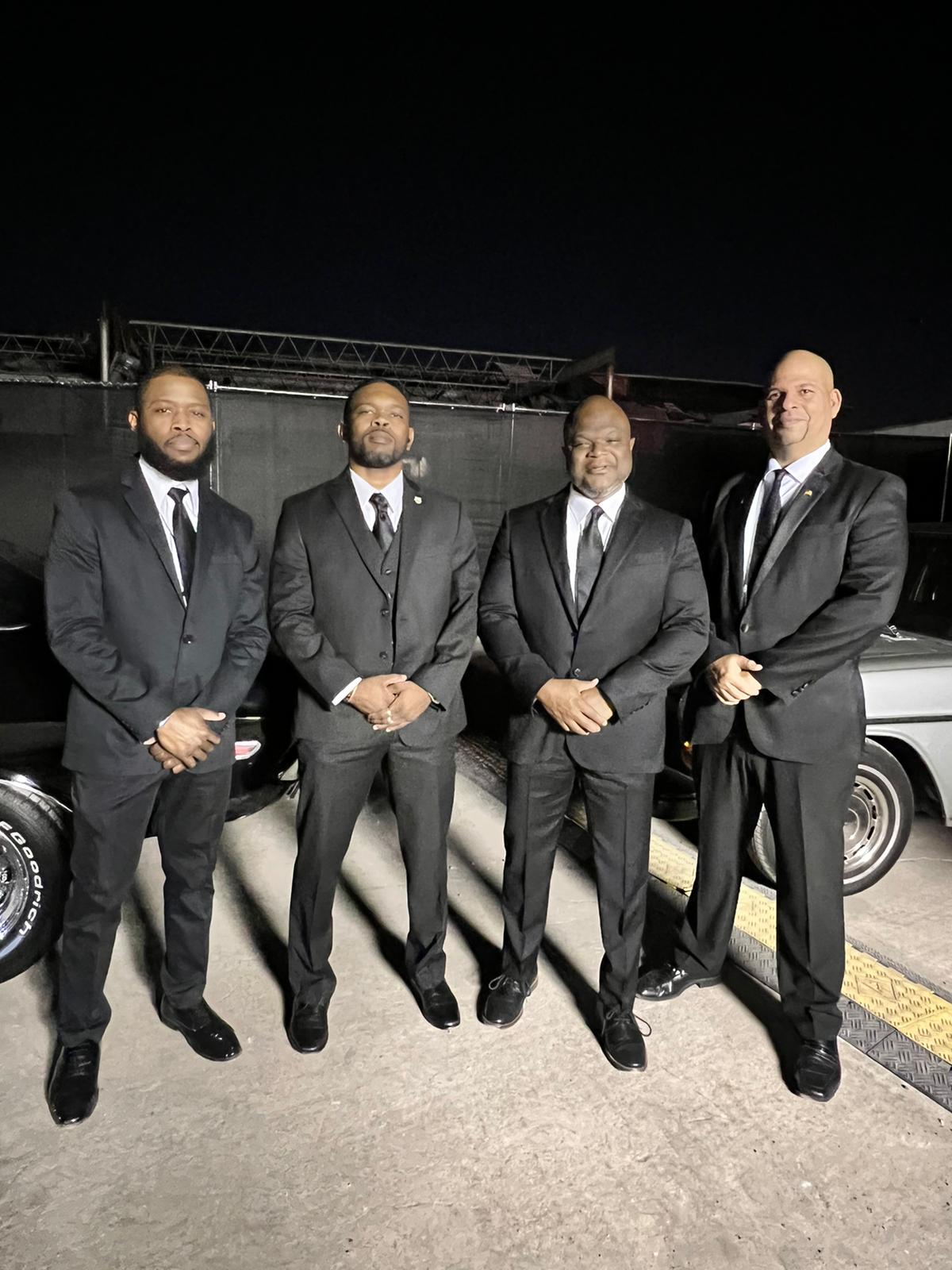
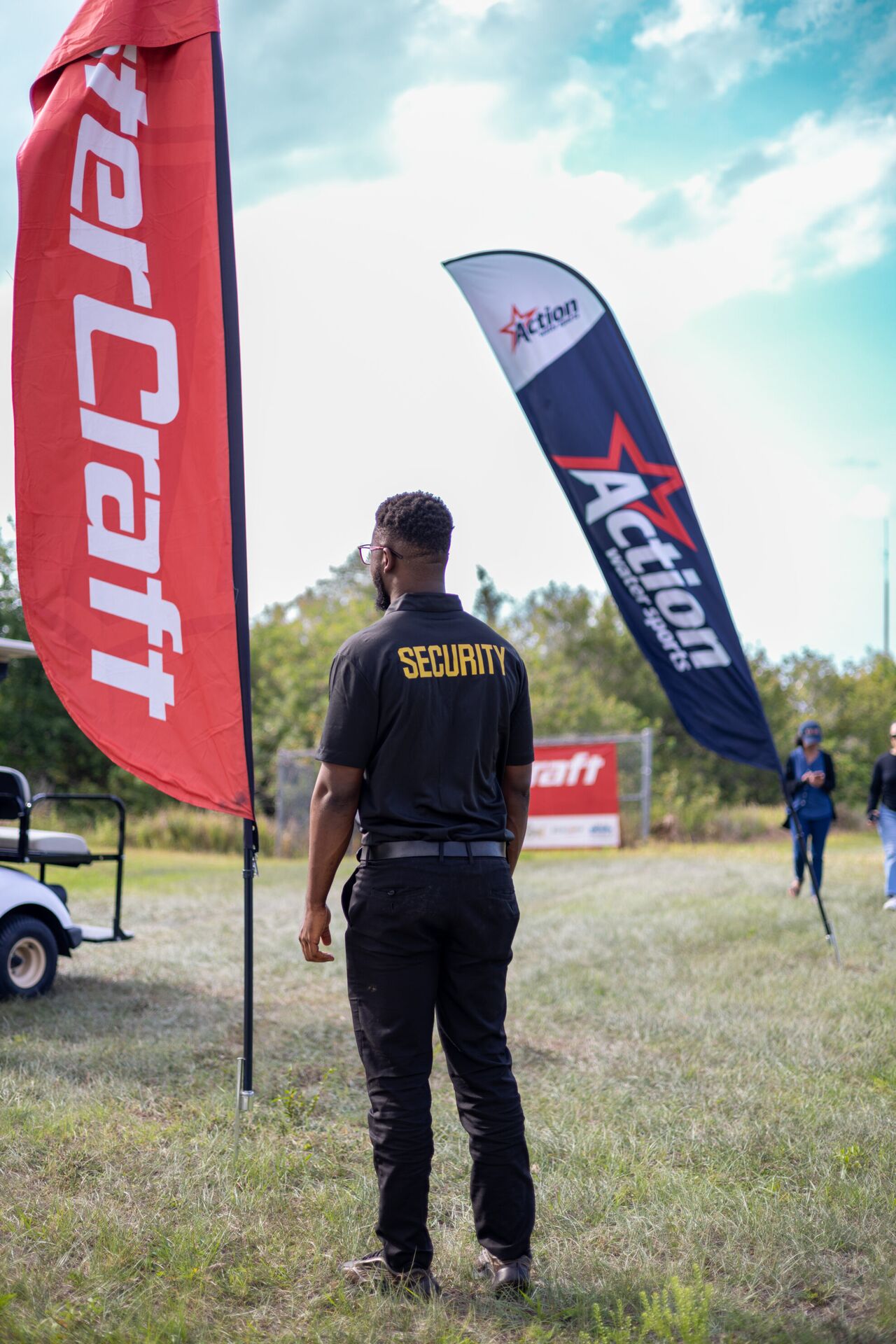
To those you’re protecting, your presence represents safety. That’s why professionalism—how you look, speak, and act—plays a big role in successful security work.
A well-maintained uniform, strong posture, and a polite demeanor not only make a great impression but also instill confidence in clients and deter potential threats.
At ARDENT Protection, our officers understand that a professional appearance is about more than just aesthetics; it’s a statement of readiness and respect. By prioritizing professionalism, officers reinforce their authority and foster trust with clients and the public alike.
5. Technical Proficiency: Mastering Security Tools and Systems
Today, security professionals are expected to handle a range of technical tools—CCTV systems, access control panels, mobile apps, and incident management software. Being proficient with these tools enhances your efficiency and effectiveness on the job.
ARDENT Protection emphasizes ongoing training to ensure all officers stay up-to-date with the latest security technology. Knowing how to effectively use these systems is a crucial skill that makes you a valuable asset to your team and clients.
6. Conflict Resolution and De-escalation: The Art of Keeping Calm
In high-stakes moments, knowing how to keep a situation calm is one of the most valuable skills a security professional can possess. De-escalation isn’t just about talking someone down; it’s about understanding human behavior and reacting in a way that reduces tension.
Security officers often face individuals who are upset, frustrated, or even hostile. Knowing how to handle these situations with patience and respect helps prevent incidents from escalating into something more serious.
7. Physical and Mental Fitness: Staying Sharp on the Job
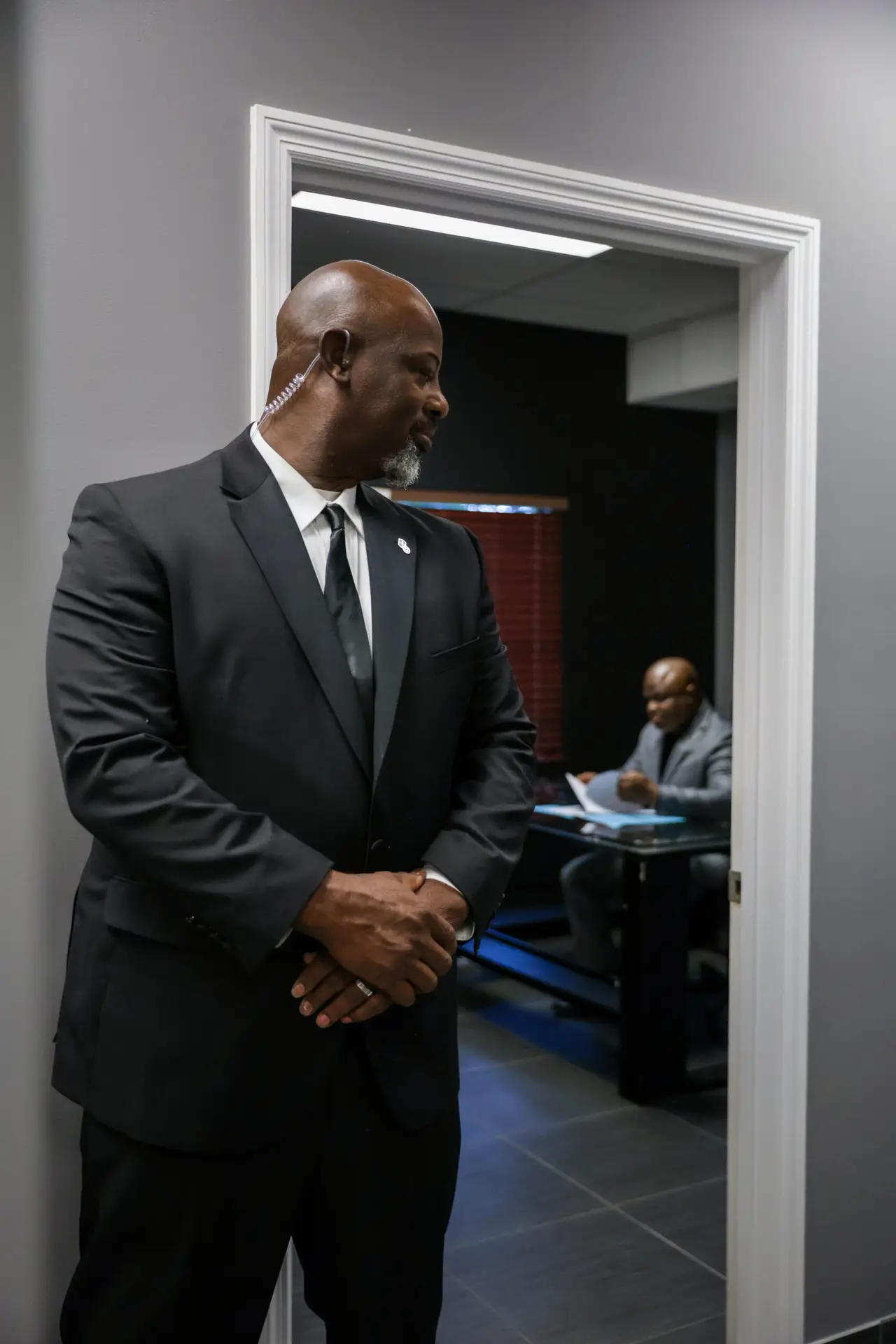
Security work can be physically demanding, requiring officers to remain vigilant during long shifts and be ready for any situation that might require a swift response.
Physical fitness helps you stay alert and responsive, while mental resilience keeps you focused and clear-headed, especially in stressful situations.
Mental fitness is just as crucial; security work can be mentally exhausting, and officers need the resilience to stay focused, especially during prolonged or high-stress shifts.
Report Conclusions
Becoming a top security professional isn’t about just showing up; it’s about showing up prepared, focused, and ready to make a difference.
Mastering these essential skills can elevate your performance and ensure that you’re not just doing a job but building a career marked by excellence, professionalism, and trustworthiness.
Whether you’re new to the field or a veteran looking to refresh your skills, there’s always room for growth. So, next time you’re on shift, remember: every skill you practice and refine isn’t just making you better—it’s contributing to a safer, more professional security industry.
Request a Consultation
Our specialized teams are available for detailed threat mitigation and close protection audits.
Contact Us