Construction and Worksites
Protecting Your Progress and Assets from Theft and Vandalism
Article Overview
You notice tools missing, vehicles tampered with, and costly materials nowhere in sight. Unfortunately, this isn’t an uncommon scene at construction sites and warehouses, where vulnerabilities attract unwanted attention.
The need for comprehensive security solutions on construction sites and warehouses isn’t just about preventing theft—it's about creating a secure environment where projects can move forward safely and without disruption.
In this guide, we’ll cover the ins and outs of securing construction sites and warehouses, looking at the risks, the benefits of solid security measures, and best practices to keep assets safe and operations running smoothly.
Part A - Importance of Security for Construction Sites and Warehouses
Construction sites and warehouses are vulnerable environments with high-value assets, ranging from raw materials to heavy machinery. These locations often lack the physical barriers and constant human presence needed to prevent criminal activity.
Effective security not only deters theft and vandalism but also helps maintain productivity, protect workers, and ensure compliance with safety standards. It’s not just about guarding assets—it’s about creating a safe, productive workspace where projects can thrive without interruption.
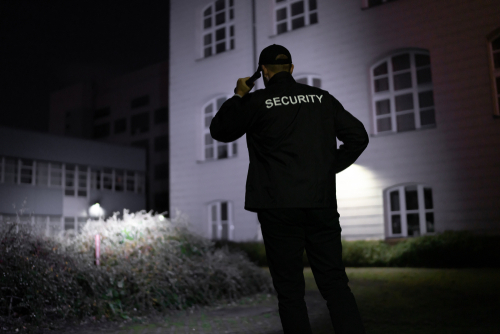
Part B - Common Security Risks and Threats
• Theft of Materials and Equipment: Construction materials like copper wiring and lumber are valuable on the black market, making sites an attractive target.
• Vandalism: Malicious damage to equipment or materials can lead to costly repairs and project delays.
• Unauthorized Access: Without proper access control, trespassers can enter dangerous areas, risking injuries or worse.
• Accidents and Liability Issues: Unsupervised, unsecured sites increase the risk of accidents, leading to potential legal liabilities.
• Loss of Inventory in Warehouses: Theft or misplacement of inventory in warehouses can disrupt operations and hurt the bottom line.

Part C - Benefits of Implementing Effective Security Measures
Investing in robust security measures brings multiple advantages:
• Asset Protection: Prevents loss of materials, equipment, and inventory, reducing replacement costs.
• Increased Productivity: A secure environment allows workers to focus on their tasks without fear of theft or interference.
• Compliance and Safety: Helps comply with safety regulations, avoiding potential fines.
• Reputation and Trust: Clients and contractors are more likely to trust a company with proven security measures, enhancing long-term partnerships.

Part D - Security Measures for Construction Sites
• Access Control: Access control systems, including keycards and biometrics, restrict entry to authorized personnel only. At construction sites, access control can deter intruders and reduce the risk of unauthorized activities.
• Perimeter Security: Fencing, barriers, and controlled entry points create a solid perimeter, making it difficult for intruders to enter undetected. Signage around the perimeter can further discourage unauthorized access.
• Surveillance Cameras: Strategically placed cameras provide real-time monitoring and video evidence, which can be vital for investigations in case of incidents.
• Lighting: Good lighting deters intruders by eliminating shadows and dark spots. Motion-activated lights are a great addition, reducing electricity costs.
• Alarms and Sensors: Sensors on fences, doors, and valuable equipment can trigger alarms when tampering is detected.
• Security Patrols: On-site security officers or mobile patrols provide a visible deterrent.

Part E - Security Measures for Warehouses
• Access Control: Implementing access logs can help track who enters and leaves the premises.
• Perimeter Security: Warehouses should have fenced perimeters and controlled access points.
• Inventory Management: Implementing inventory management systems reduces the risk of shrinkage by accurately tracking stock.
• Surveillance Cameras: Installing high-quality surveillance systems helps monitor activities and provides evidence in the event of theft.
• Lighting: Warehouses often require strong lighting both inside and outside to prevent theft.
• Alarms and Sensors: Install motion detectors and other sensors to alert security staff of unauthorized activity.
• Security Patrols: Regular patrols are essential for large warehouses and provide immediate response capabilities.

Part F - Strategies for Preventing Theft and Vandalism
• Employee Background Checks: Conducting background checks on employees minimizes the risk of hiring individuals with a history of theft or vandalism.
• Security Training for Employees: Educating employees on security protocols creates a security-conscious workplace culture.
• Clear Policies and Procedures: Defining security policies helps employees understand their role in maintaining security.
• Regular Security Audits: Audits help identify vulnerabilities, allowing management to implement corrective measures.

Part G - Best Practices for Security Management
• Developing a Comprehensive Security Plan: A well-designed security plan tailored to the specific risks of a site or warehouse is essential.
• Regularly Reviewing and Updating Security Measures: Security needs evolve, and so should security plans.
• Utilizing Technology to Enhance Security: Solutions such as AI-driven surveillance and real-time monitoring systems boost security.
• Working with Law Enforcement and Security Professionals: Establishing relationships with local law enforcement and hiring professional security services strengthens security efforts.

Report Conclusions
Securing construction sites and warehouses is crucial to protecting assets, maintaining productivity, and ensuring safety.
Remember, security is an ongoing process that requires regular audits, updates, and a commitment to professional standards. Investing in security not only protects valuable assets but also builds trust and fosters a safer workplace.
As the saying goes, “an ounce of prevention is worth a pound of cure”—and when it comes to security, this couldn’t be more accurate. Taking proactive steps now will safeguard your projects, reduce losses, and keep operations running smoothly.
Request a Consultation
Our specialized teams are available for detailed threat mitigation and close protection audits.
Contact Us