Event Security Guide
Strategic Safety for Grand Festivals and Intimate Gatherings
Article Overview
From intimate gatherings to grand festivals, the significance of event security planning cannot be overstated. Event security stands as a cornerstone for the safety and enjoyment of participants and attendees.
This blog will dive into the essential aspects of event security, from understanding its importance to outlining a strategic plan that explains everything from risk assessments to crowd control.
By equipping you with the necessary knowledge and strategies, we hope to guide event organizers through the complexities of ensuring safe and successful events.
Part A - Why Event Security Matters
The rationale for integrating a well-designed security framework is about safeguarding the essence of the event itself. Professional security addresses several critical areas:
• General Safety Risks: Prevention of unauthorized entry, physical altercations, and disruptive behavior.
• Theft and Vandalism: Protecting the event space and visitors' belongings from malicious acts.
• Medical Readiness: Large gatherings require a prepared medical response team to handle potential emergencies.
• Natural Disaster Contingency: Outdoor events are vulnerable to weather; having a plan ensures attendee safety.
• Asset & Reputation Protection: Safeguarding financial investments and maintaining the image of a well-organized event.
Part B - Key Elements of an Event Security Plan
1. Risk Assessment: Identifying threats based on attendee profile and venue vulnerabilities to prioritize resource allocation.
2. Personnel: Coordinating professional guards, law enforcement, and support staff like stewards to manage crowds and first aid.
3. Physical Measures: Implementing access control (ID checks, bag searches) and perimeter barriers to manage flow and deter unauthorized entry.
4. Communication: Establishing clear protocols and emergency plans for sharing information among team members and emergency services.

Part C - Crowd Management and Atmosphere Control
Effective crowd management is about creating an environment where safety and enjoyment go hand in hand.
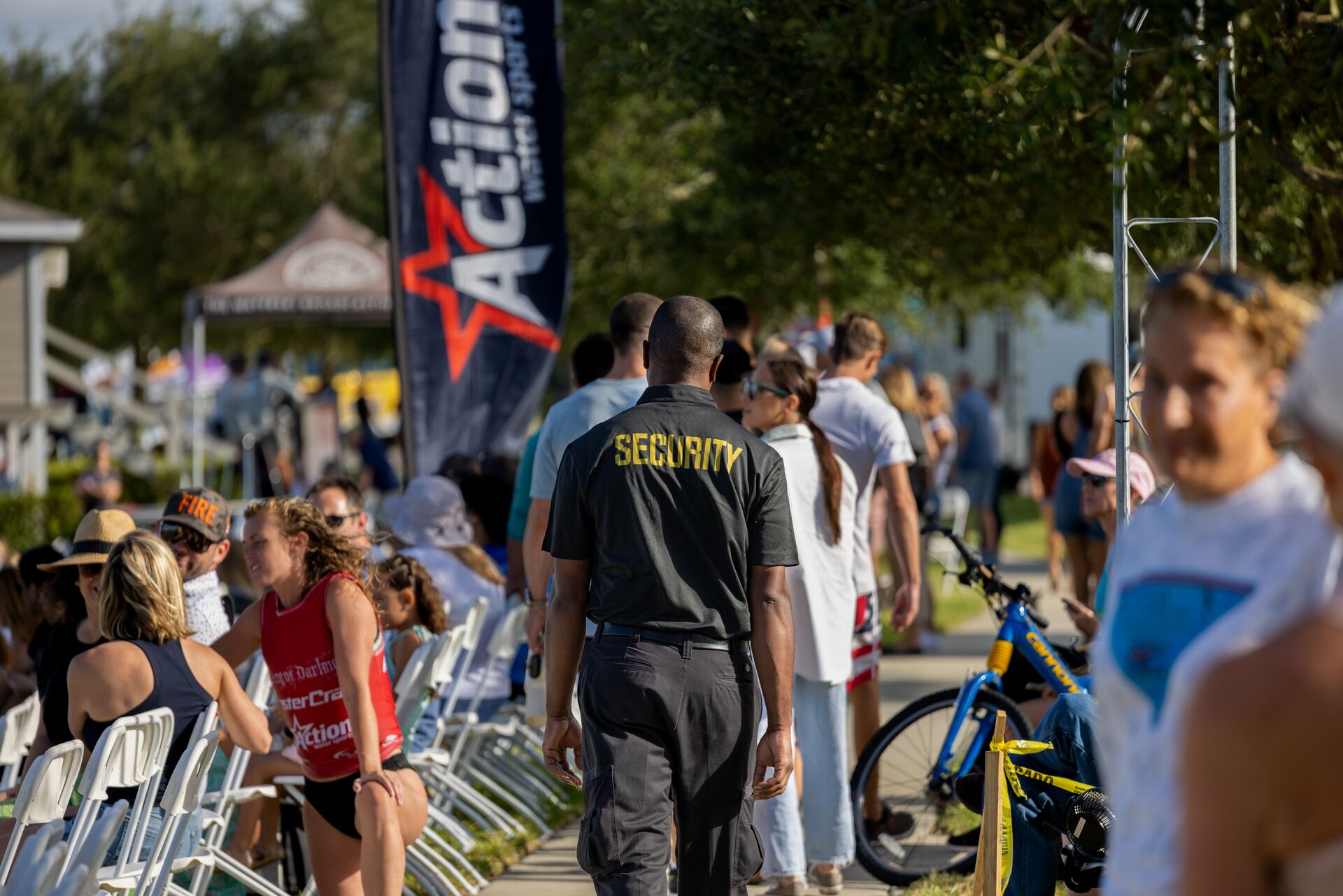
• Visible Presence: Strategically positioned officers reassure attendees and deter misconduct.
• Traffic flow: Optimizing walkways and entry/exit points to prevent dangerous bottlenecks.
• Conflict De-escalation: Resolving potential disturbances professionally before they escalate.
• Core Functions: Vetting vendors, controlling access points, and responding to medical needs efficiently.

Part D - Building Your Event Security Roadmap
A detailed security plan aligns with the broader goals of the event. Partnering with a seasoned provider ensures timely execution, VIP protection, and post-event analysis.
When selecting a team, consider their specific record with similar events, the quality of their training in customer service, and their verification of licensing and insurance.

Part E - The ROI of Event Security
Professional security yields tangible benefits: reduced liability exposure, enhanced brand reputation through positive guest experiences, and streamlined operations that allow organizers to focus on the event's vision.
Report Conclusions
Implementing an event security program is a wise investment. The peace of mind it offers to both organizers and attendees, coupled with the operational benefits, underscores its value.
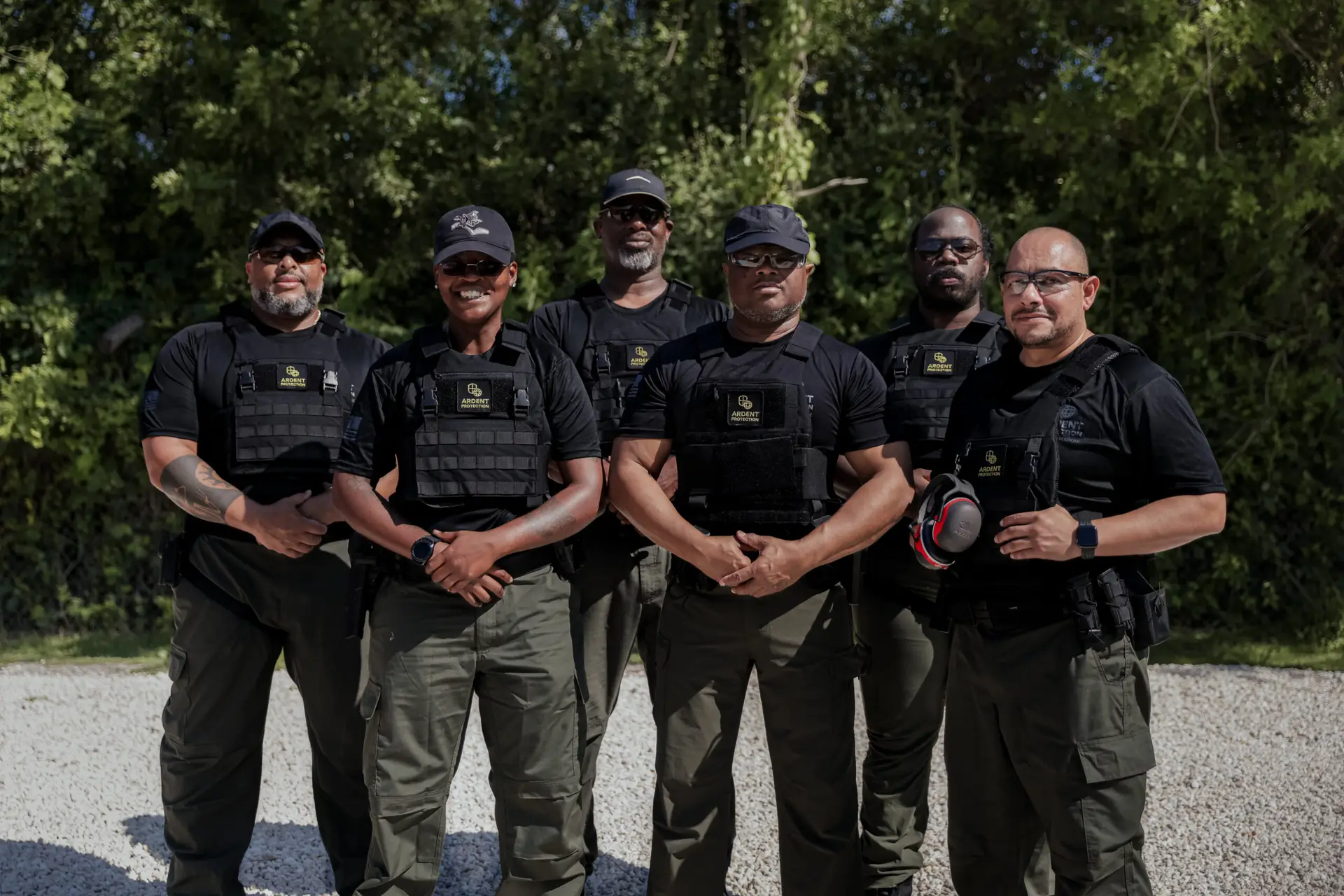
Choosing the right security partner is a wise approach to safeguarding your event and maximizing its potential for success. ARDENT is committed to being that partner, ensuring your grandest celebrations remains safe and memorable.
Request a Consultation
Our specialized teams are available for detailed threat mitigation and close protection audits.
Contact Us