Event Security Duties & Responsibilities
The Dedication and Strategy Behind Safe Large-Scale Gatherings
Article Overview
Security officers are the unsung heroes, the vigilant guardians who ensure everyone enjoys the event safely. But what exactly goes into this work? What are the responsibilities and challenges faced by event security personnel?
In this article, we’ll explore the vital duties of event security teams, delve into the essential skills required, and shine a light on the dedication and strategy that create safe, enjoyable environments at large gatherings.
Part A - The Foundation of Event Security: A Vital Role
At any gathering, security isn’t just about keeping an eye on things; it's about creating a sense of safety for all involved. Whether it's a concert, sports event, corporate conference, or private party, event security officers have a comprehensive list of responsibilities designed to protect everyone present.
This responsibility involves proactive planning, keen situational awareness, crowd management, access control, and crisis response—all elements that ensure a smooth event where the focus remains on enjoyment, not danger.
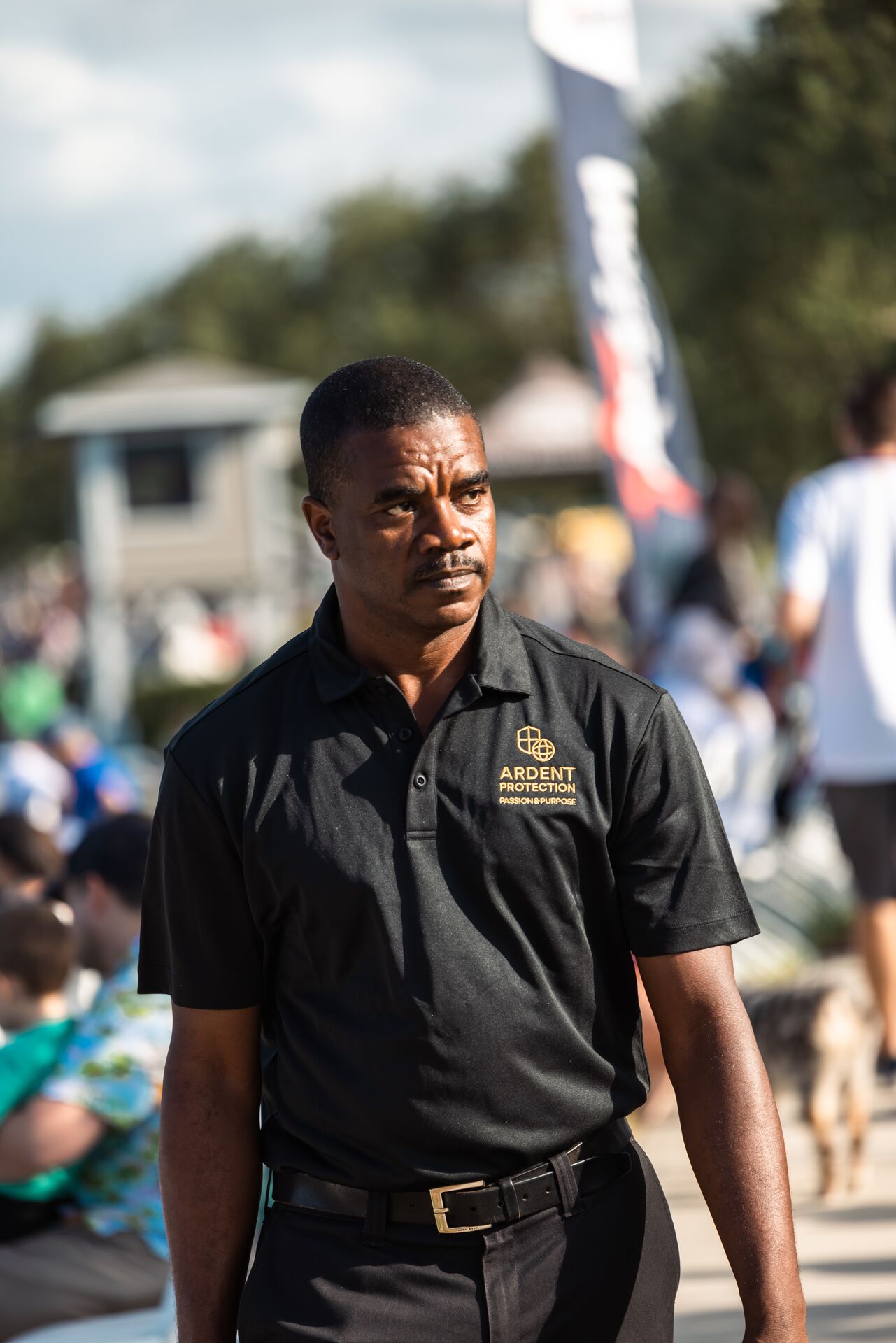
Event security isn’t just about presence; it’s about a trained, professional team that’s ready for any contingency. At ARDENT, security at events is not just fulfilling a duty—it’s creating a professional standard of care that clients can rely on for safety and support.

Part B - Key Responsibilities of Event Security Officers
Event security officers are entrusted with numerous tasks, each critical in maintaining a secure environment. Here are the primary responsibilities they undertake:
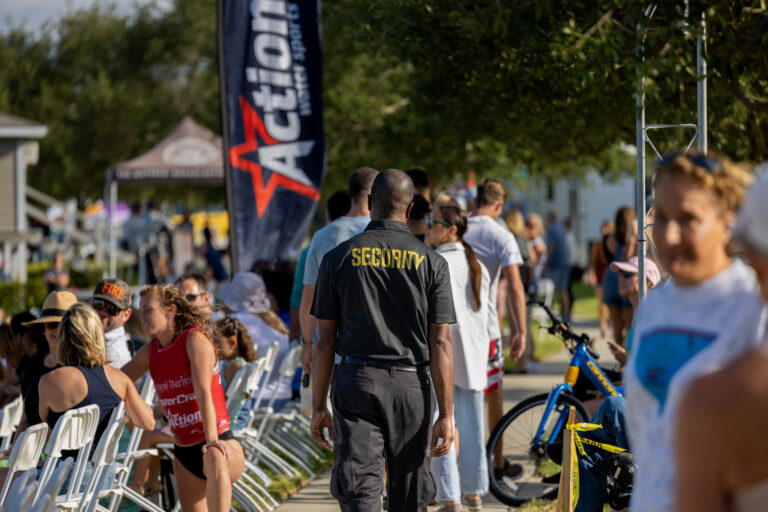
1. Crowd Management and Control: Officers are trained to control crowd movement, especially at entrances, exits, and areas prone to bottlenecks. They also handle individuals who may become disruptive, using de-escalation techniques to diffuse tense situations effectively.
2. Access Control: Security must vigilantly guard entrances to verify that only authorized attendees enter, which includes ID checks, bag searches, and ticket validation. VIP zones often require additional measures to provide both privacy and protection.
3. Emergency Preparedness and Response: Teams work with organizers to establish protocols for evacuations, medical emergencies, and unexpected threats. Officers must remain calm under pressure to ensure everyone’s safety until emergency services arrive.
4. Patrol and Surveillance: Officers patrol the venue and use surveillance technology to deter potential wrongdoers and address issues before they escalate. They maintain logs and report activity immediately for a cohesive team operation.
5. Customer Service and Public Relations: Security often serves as a resource for attendees, offering assistance and directions. Maintaining professionalism and courtesy is critical to uphold the event’s reputation.
Part C - Essential Skills for Event Security Officers
Event security officers need more than physical presence—they require specialized skills to adapt to dynamic environments.
• Situational Awareness: Remaining highly alert to spot suspicious behavior and assess risks promptly.
• Communication Skills: Conveying clear instructions to team members and attendees, especially during emergencies.
• Conflict Resolution: Managing tense situations without resorting to force, creating a respectful environment.
• Physical Fitness: Maintaining the stamina required for extended periods of standing, patrolling, and managing emergencies.
• Technical Proficiency: Being adept at using surveillance tools, communication devices, and electronic access control systems.

Part D - Preparing for the Unpredictable
Officers must remain adaptable to unique challenges, such as unanticipated crowd surges where emergency procedures must be implemented immediately. They also manage alcohol-related incidents with tact, balancing enforcement with sensitivity, and must be prepared for dynamic threats emerging from natural disasters or unforeseen risks.
Part E - The Importance of a Training and Preparation
ARDENT's commitment to professionalizing the industry means officers are thoroughly trained in emergency protocols, legal knowledge regarding search and search and seizure, and equipment familiarity. Regular training ensures they can respond promptly and accurately in any situation.

Report Conclusions
In many ways, event security is the heartbeat of a successful event—steady, reliable, and indispensable. ARDENT believes that professionalizing the security industry means more than just doing a job well; it’s about setting a higher standard.
Every security officer becomes part of the ARDENT mission to create safer environments through dedication, professionalism, and a commitment to excellence. Through their unwavering commitment, event security officers make a difference that keeps the celebration joyful and the memories safe.
Request a Consultation
Our specialized teams are available for detailed threat mitigation and close protection audits.
Contact Us