Readiness Isn't a Promise You Make
When the Phone Rings.
Every company in Florida will tell you they can be there fast, and they'll say it with total confidence, because it costs nothing to say. The things that make it true have to exist before the phone rings.
The short answer
The short answer
Readiness is infrastructure you build in advance, so that when an urgent call comes you execute a process instead of improvising one. In practice that means a standing bench of Officers rather than a phone tree, an intake that takes two minutes, and people who are briefed on your site before they arrive rather than after. Our standard Fire Watch setup is four hours and our fastest is under 60 minutes. Short-notice guard coverage is often within 24 hours. Be careful with anyone who promises you an exact arrival time before they know anything about your situation.
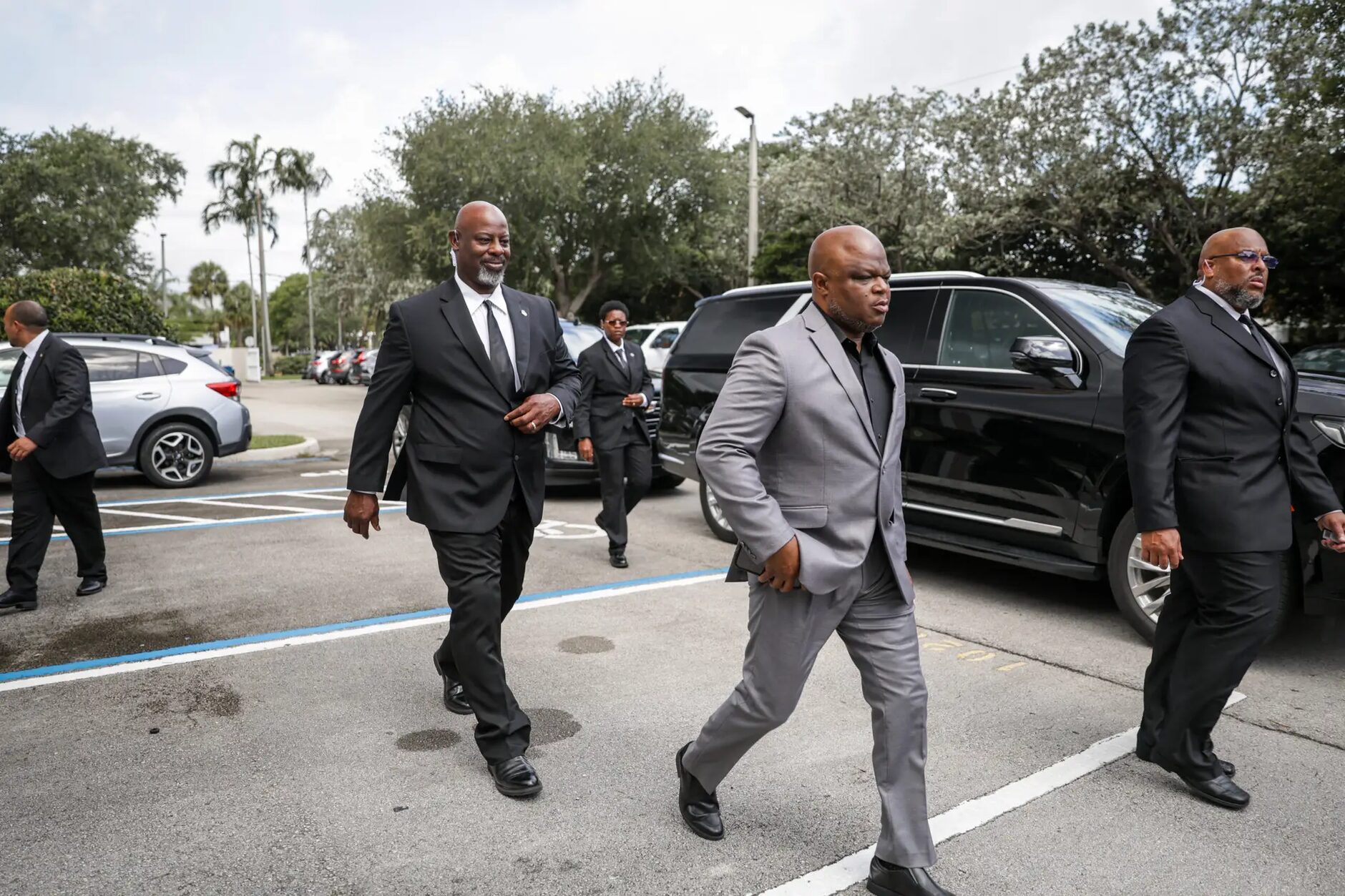
Arriving Quickly Is Half the Job.
The Other Half Is Arriving Ready.
You're usually making this call on a bad day. The panel failed, the provider no-showed, the event grew, somebody was threatened. The temptation is to pick whoever gives the fastest number. It's worth about ninety seconds of thought, because the fastest number is not always the best outcome.
Fast, and unprepared
Someone arrives in an hour, doesn't know the building, doesn't know what's impaired, doesn't know who to call. They are now a person standing in your lobby, and you are their briefing.
A little slower, and briefed
Someone arrives in three hours already knowing the impairment, the affected floors, the site contact and the escalation path. From minute one they are working, not learning.
The one that costs you
Fast response creates control. Rushed response creates confusion. A company that arrives in 90 minutes and performs badly can create more risk than one that takes a little longer and starts correctly.
So the question isn't how fast they can get there. It's what already exists behind them before you call.
Three Things That Have to Exist
Before the Call.
A company either built these when nothing was happening, or it didn't. You can't build them at 11 p.m. on a Saturday, which is precisely when they're needed.
A standing bench, not a phone tree
Ours is the Emergency Response Team, a group of Officers kept ready for exactly this rather than scheduled onto other posts. A provider without one starts making phone calls and hopes somebody answers. That is not a plan, it's an activity.
Roles defined in advance
ERT Officers take urgent situations: fire watch, short-term guard coverage, events, high-value asset protection, site checks. ERT Agents take sensitive ones: executive protection, workplace violence support, asset escort. The right person is chosen, not whoever is free.
An intake that works under pressure
Not a form. A short list of questions asked on the phone, so the Officer who walks onto your site already knows what they're walking into. It takes about two minutes and it decides how the whole night goes.
A provider who asks none of that and just says "no problem, we'll get someone out" hasn't told you they're fast. They've told you the Officer will arrive knowing nothing.
What We Can Actually Do,
and What Changes It.
These are the times we work to, not the times we advertise. They move, and they move for reasons that are worth knowing before you're standing in a corridor with a phone in your hand.
| Service | Typical | What moves it |
|---|---|---|
| Fire Watch | 4 hours standard. Under 60 minutes at our fastest, more than once | Where the property is, how many Officers the impairment actually calls for, and site access at that hour |
| Guard Services, short-term | Often within 24 hours | Armed or unarmed, the hours needed, and whether post orders can be drafted quickly |
| Guard Services, full account | Operational in 21 to 30 days | The six-phase startup. It runs while your current coverage is still in place |
| Executive Protection | Often within 24 hours | A week's notice allows proper planning, and planning is most of what protection actually is |
| Event Security | As little as 24 hours' notice | Three to four days is what we'd recommend, because the venue walkthrough is where the plan comes from |
These are typical, not promised. What we won't do is give you an exact arrival time before we know anything about your site, because that number would be a sales figure rather than an operational one.
Numbers on a page are easy. What matters is whether anything actually stands behind them.
The Bench Exists
Before You Need It.
The Emergency Response Team is a standing group of Officers we keep ready for urgent work rather than scheduled onto other posts. It costs us money on every quiet week, which is exactly why most providers don't have one.
What we won't promise you is a time before we know your situation. Anyone who does is guessing in a way that sounds like confidence.
"Even on short notice Ardent has had officers onsite the next day after we request them. The officers have always been very professional to work with."
John Enos · Google"Ardent protection is a great company and they answering at the right moment when people reach them out."
Edwine St Preux · Google"Will be us Ardent protection for sure for any events where we need security. They sent Travis to us and he was beyond helpful. He showed up right on time and literally stayed until we were good to go."
Joleen Rose · GoogleThat's what readiness sounds like from the outside. It's worth knowing what the alternative sounds like, because it sounds very reassuring.
Confidence Is Not the Same as Readiness.
You are almost certainly under pressure when you make this call, which makes reassurance very easy to sell to you. That isn't a criticism of you. It's how urgency works, and a decent provider knows it and behaves accordingly.
All five of those are audible in the first two minutes of a phone call. Which is genuinely useful, because two minutes is usually all you have.
What People Ask
While It's Still Happening.
Can you really have someone here tonight?
Often, yes. Fire Watch has a four-hour standard setup and our fastest has been under 60 minutes. Short-notice guard coverage is frequently within 24 hours. What we won't do is give you a time before we know where the property is, what's happened, and what access the Officer will need, because that number would be worth nothing to you.
Is short-notice coverage worse than a planned account?
It's a different shape, and it should be held to the same standard. The Officer still gets a briefing, still keeps a log, still gets checked on, and you still get the report. What a short-notice job doesn't get is the full 30-day startup with post orders built alongside you, so the first shift leans more on the intake and on our own people knowing what they're doing. That's the honest trade, and it's why we ask nine questions instead of one.
Do I have to sign a contract for one night?
No. There's no hard minimum and no fixed contract minimum. Single shifts are fine. Some of our work is a few hours for one weekend and some of it runs every day for years, and neither is treated as a favor.
What does short-notice coverage cost?
The same ranges as planned coverage, in most cases. In Florida, unarmed guard coverage commonly runs $28 to $40 an hour, armed $38 to $55, and Fire Watch $35 to $55. Urgency does not automatically mean a premium, and if anyone quotes you a number that jumps because you sound stressed, that is a fact about them. Full ranges are on our Pricing page.
If it's happening right now, the fastest thing you can do is pick up the phone. Call somebody. It doesn't have to be us.
Written by the People
Who Answer the Phone.
ARDENT Protection
A Florida security and protection company, licensed since 2020 (Florida Security Agency License #B1900411). We run Guard Services, Fire Watch, Event Security, Executive Protection and Workplace Violence Prevention across the state. The Emergency Response Team is the reason the four-hour number is real, and it costs us money on every quiet week. That is the whole point of it. Questions about anything here go to (954) 787-3700, and a person answers.
Fire Watch Requirements in Florida, Explained
If the call you're about to make is about a fire system, start here. The thresholds and what a compliant watch has to be.
Read itWho Actually Checks On Your Security Officer?
The other half of what the Emergency Response Team does, on the weeks when nothing is on fire.
Read itWhat to Ask an Event Security Provider
If the short notice is an event rather than a building, these are the eight questions worth asking anyway.
Read itNone of this needs deciding this week. Unless, of course, it does.
Tell Us What's Happening.
What's going on, where, and how soon you need somebody. We'll tell you straight what the coverage actually needs to be, including if that's less than you were quoted. Or call (954) 787-3700 and someone will pick up, at any hour. That part isn't a slogan, it's just the phone.