When Does Florida Actually Require a Fire Watch?
The thresholds, what a compliant watch has to look like, and the counting rule that quietly puts properties out of compliance without anyone noticing. All of it works just as well with a provider that isn't us.
The short answer
The short answer
For a fire alarm, the threshold is more than four hours out of service in any 24-hour period. Past that, NFPA 72 calls for the fire official to be notified and for the building to be evacuated or an approved fire watch provided until the system is restored. For a sprinkler or other water-based system, NFPA 25 sets it at 10 hours or more. Hot work carries a watch for at least 60 minutes after the work stops. The hours are cumulative, not consecutive. Your fire official has the final say for your building.
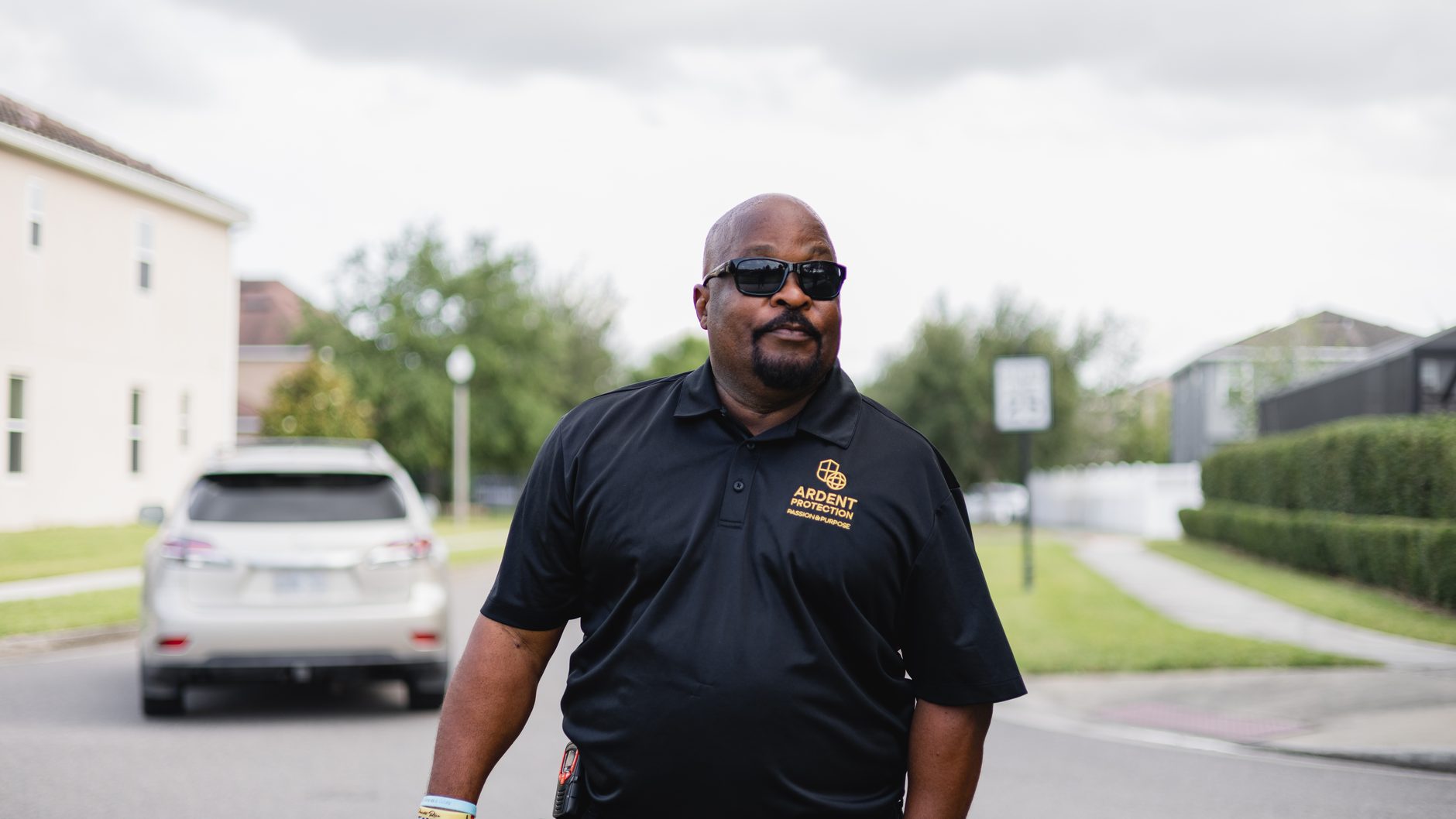
"Fire Watch" Is One Phrase
Covering Three Different Problems.
A contractor tells you the panel is down. A sprinkler tech tells you the riser is closed. A welder is cutting steel on the fourth floor. All three can put you into a fire watch, and none of them is the same job. What was lost decides what the Officer is actually there to do.
The alarm is out
You've lost the notification system. Nobody gets told. So the Officer becomes the notification system, walking the building on foot and carrying the responsibility a panel used to carry.
The sprinklers are impaired
You've lost automatic suppression. A small fire no longer gets held down while people leave. The job shifts toward extreme vigilance and getting ignition sources out of the affected area.
Hot work is happening
Welding, cutting, grinding. The hazard is created on purpose, in a known place, at a known time. The watch runs during the work and keeps running after it, because that's when the slow smolder shows up.
Those three trigger at three different points. And the point where they trigger is where most properties get caught.
Four Hours Doesn't Mean
Four Hours in a Row.
This is the single most common way a property drifts out of compliance without realizing it, and almost nobody is told about it up front.
The clock is cumulative
The alarm goes down at 8 a.m. for an hour. Down again at noon for an hour. Down twice more in the afternoon. That is four hours, not four separate one-hour events.
It doesn't reset
Bringing the system back up between outages feels like it should reset the clock. It doesn't. The 24-hour window keeps counting, and the total is what matters.
Which is why testing days are risky
A day of panel testing or a phased sprinkler shutdown can accumulate past the threshold without a single long outage. Nobody feels like anything went wrong.
Nobody sets out to run a building out of compliance. They just get told about a four-hour rule and reasonably assume it means four hours in a row.
The Thresholds, in One Table.
Florida's enforceable statewide code is the Florida Fire Prevention Code, 8th Edition (2023), effective 31 December 2023, and it is built on Florida-amended editions of NFPA 1 and NFPA 101. The State Fire Marshal adopts a new edition every three years under F.S. 633.202, and the 9th Edition has a target effective date of 31 December 2026. What the code says is below. What your building has to do is a decision for your fire official, not for a security company.
| System | Threshold | What the code calls for | Source |
|---|---|---|---|
| Fire alarm out of service | More than 4 hours in 24 | Notify the fire official; evacuate, or provide an approved fire watch until the system is restored | NFPA 72 |
| Sprinkler or water-based impairment | 10 hours or more in 24 | Evacuate the affected area, or run a continual fire watch in that area | NFPA 25 §15.5.2 |
| Hot work (welding, cutting, grinding) | At least 60 minutes after work ends | A fire watch maintained after the work stops. The Permit Authorizing Individual can extend it further based on risk | NFPA 51B (2019+). OSHA's floor is 30 minutes, 1910.252 |
Sources: NFPA 72, NFPA 25 §15.5.2, NFPA 51B, OSHA 1910.252, and the Florida Fire Prevention Code, 8th Edition (2023). Miami-Dade, Broward, Hillsborough and Orange all publish their own amendments, and local fire officials in Florida are often stricter than the state floor.
Knowing when a watch is triggered is the easy half. The half that actually gets properties fined is what a watch has to be.
A Person Standing There
Is Not a Fire Watch.
A compliant fire watch has a shape, and the shape is specific. A watch that misses any one of these can be found non-compliant even though somebody was on site all night, and that is exactly how properties end up paying twice.
Staffing above normal levels and no other responsibilities are the two that get quietly ignored. Usually with the best of intentions, and usually by someone trying to save you money.
"We Already Have a Guard.
Can't They Do It?"
It is the most reasonable question in this whole subject, and it is the one that costs the most money when the answer is wrong. The standard calls for staffing above normal levels and no other responsibilities. A Security Officer who is also running your lobby is not staffing above normal levels, and they very much have other responsibilities.
What we do about it, and it is nothing clever
Our Fire Watch Officers keep a written log in real time: patrol times, areas checked, conditions observed, hazards identified, actions taken, notifications made, the Officer's name, and the handoff notes for the next shift. Then the log gets submitted to the Fire Marshal. Not filed somewhere for us. That is the entire trick, and it is the reason a fire watch either holds up under inspection or doesn't.
Any provider can promise all of that on a phone call. What tells you the truth is the things they say when they're trying to be reassuring.
What People Ask Us
While the Panel Is Still Down.
Who decides whether my building needs a fire watch?
The fire official for your building. The Florida Fire Prevention Code sets the statewide floor, and counties, municipalities and special fire districts adopt their own amendments on top of it. Miami-Dade, Broward, Hillsborough and Orange all publish their own. In practice that means the fire official for your property has the final word, and it is worth being careful with any security company that tells you what the law requires of you rather than what the code says. We confirm the requirement with your fire official before the first shift, not after.
How fast can a fire watch actually start?
Our standard setup is four hours. Our fastest has been under 60 minutes, and we've done that more than once. We won't race anyone to a number, though. A company that arrives in 90 minutes and starts badly can create more risk than one that takes a little longer and starts correctly. Showing up fast is half the job; starting properly is the half that protects the site.
What should a fire watch cost?
In Florida, fire watch commonly runs $35 to $55 an hour depending on the property, the hours and how many Officers the impairment actually calls for. Be careful with anyone quoting below $25 an hour. At that rate the math only works if the person is untrained, unsupervised, or doing something other than the watch, and any one of those three is the thing that gets a property found non-compliant.
How long do these impairments usually last?
Longer than people expect. A fire alarm impairment typically runs 2 to 6 days. A sprinkler impairment runs 1 to 3 weeks. A fire pump can run 2 to 6 weeks and a fire panel 2 to 8 weeks. New construction, or a combination of impairments, varies. Worth planning coverage against the realistic duration rather than the optimistic one you were quoted on day one. The Fire Watch service page has the full table.
Code is public, and anybody can look it up. What isn't public is what it looks like when a watch is run badly, and what that actually costs.
Written by the People
Who Walk the Building.
ARDENT Protection
A Florida security and protection company, licensed since 2020 (Florida Security Agency License #B1900411). We run Guard Services, Fire Watch, Event Security, Executive Protection and Workplace Violence Prevention across the state. We've delivered more than 70,000 hours of Fire Watch since 2020, and the logs from all of them went to the fire official. Questions about anything here go to (954) 787-3700, and a person answers.
What It Costs to Skip Fire Watch During an Outage
One property's watch was run the wrong way. The Fire Marshal disagreed, and the correction cost $388,800 more than doing it properly would have.
Read itFire Watch Is a Life-Safety Job, Not a Warm Body
When the alarm is out, the Officer is the alarm. What that person should be doing all night, and the signs that they aren't.
Read itWhat Makes a Team Ready on Short Notice
Readiness isn't a promise made when the phone rings. It's infrastructure built long before it, and you can hear the difference in about a minute.
Read itIf your system is down right now, the fastest thing you can do is pick up the phone. Call somebody. It doesn't have to be us.
Panel Down? Let's Talk Now.
Tell us what's impaired, whether the building is occupied, and what your fire official has said so far. We'll tell you straight what the coverage actually needs to be, including when that's less than you were quoted. Our standard setup is four hours. Or call (954) 787-3700 and someone will pick up.