What It Costs to Skip Fire Watch During an Outage.
The safety cost, the compliance cost, and one property's correction that ran to $388,800 more than doing it properly would have. Nobody in this story was trying to cut a corner. That's the part worth understanding.
The short answer
The short answer
Leaving the gap open means the building has no working notification or suppression while people are inside it. That is the real cost, and it is the only one that can't be paid back. The compliance cost is separate, and it isn't small. One Florida property whose watch was run from a vehicle instead of on foot was later directed to staff 15 Fire Watch Officers per shift, around the clock, for over a month. Run properly from the start, roughly three per shift would have been directed. The difference was $388,800.
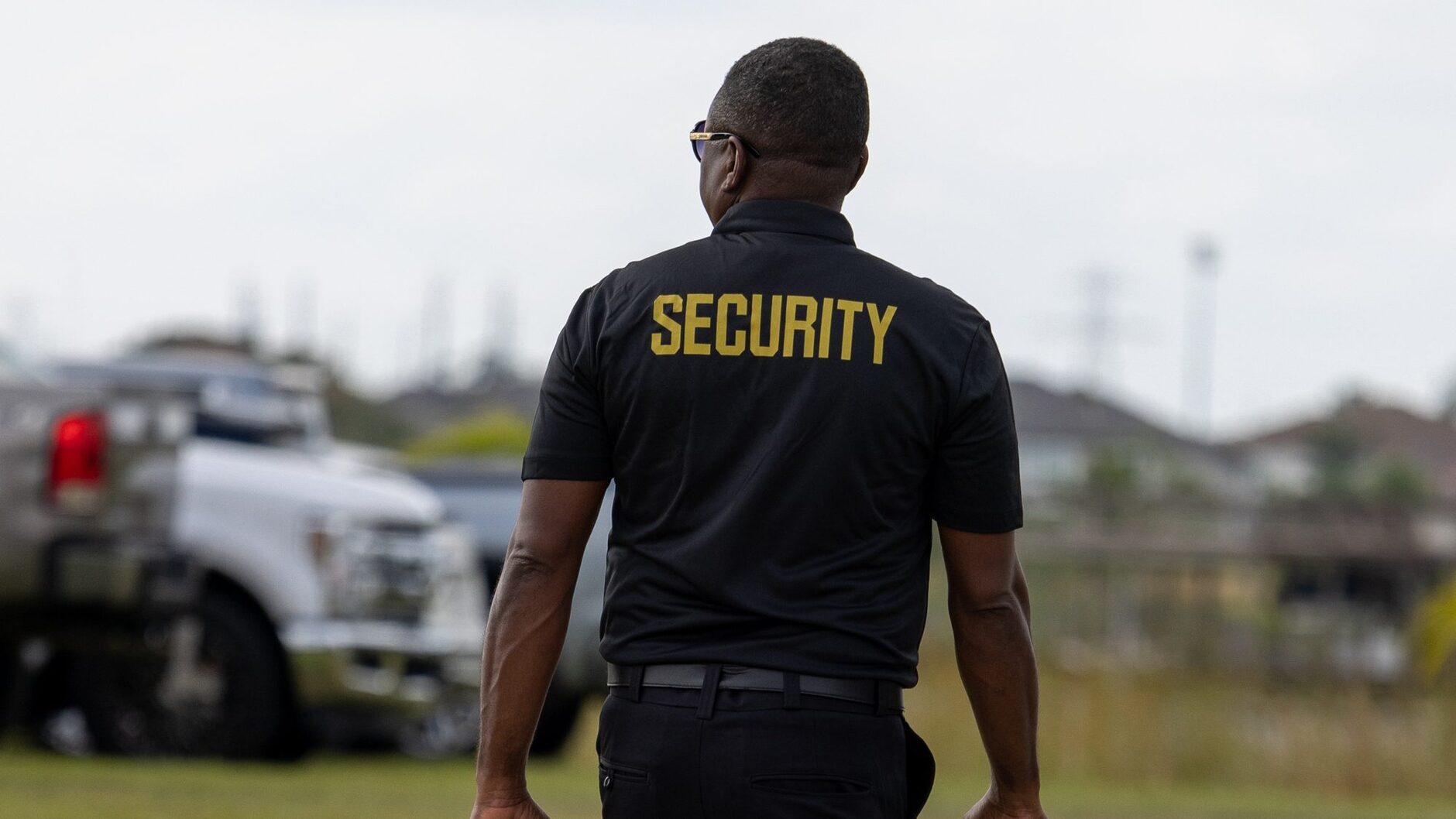
A System Being Down Isn't
an Inconvenience. It's a Gap.
It's easy to treat an impaired panel as a maintenance ticket, because that's how it arrives. A technician says a part is on order. Somebody says "a few days." Meanwhile the building is full of people, and something the building was built to do has stopped happening.
Nobody gets told
An alarm's job is to tell everyone at once, immediately. With it down, a fire in an empty stairwell at 3 a.m. is discovered by whoever happens to walk past it. That is the whole risk, in one sentence.
Nothing holds it down
Sprinklers don't put fires out so much as hold them small while people get out. With suppression impaired, a small fire and a large fire become the same fire, given ten minutes.
There's no record
If something does happen, the question afterwards is what was in place and who knew. Without a watch and without a log, the honest answer is nothing and nobody, and that answer gets read by people you would rather not meet.
Most properties don't skip the fire watch. They buy one, and are told it's the real thing.
The Watch Was Running.
It Just Wasn't a Watch.
A Florida property had a fire system impairment and hired a provider to run the watch. The provider assigned one Officer per shift and had that Officer patrol a large property by vehicle. On paper it looked like coverage. Somebody was there, all night, every night, and the invoices arrived on time.
A fire watch is foot-patrol work of the affected area, continuously, with no other responsibilities. A single vehicle circuit of a large site is not that, and the Fire Marshal agreed. The property was then directed to staff 15 Fire Watch Officers per shift, 24 hours a day, for over a month, to correct it. Run properly from the beginning, roughly three per shift would have been directed.
The client did nothing wrong. They bought what they were shown, and it was shown to them as the real thing. The provider knew better, or should have.
And then the part nobody expects
The Fire Marshal had the client fire that provider immediately. Then the Fire Marshal called us.
That correction wasn't a punishment. It was a regulator restoring the level of protection the building should have had all along, and doing it at speed, which is why it cost what it cost.
The Sentences That Should
End the Conversation.
None of these are said maliciously. They're said by people who genuinely believe fire watch is a simple job, because for a long time the industry has sold it that way. That belief is what the $388,800 was actually paying for.
Every one of those is easy to spot once somebody has pointed it out. What's harder is knowing what should be happening instead.
Six Things, and All Six.
A watch that misses one of these can be found non-compliant even though somebody was on site all night. That is what happened to that property, and it turned on a single item: patrol on foot, not from a vehicle.
Five of those six are things you'd have to be on site all night to verify. The sixth one you can hold in your hand.
In Fire Watch,
the Log Is the Proof.
Eight fields, written as it happens
Patrol times. Areas checked. Conditions observed. Hazards identified. Actions taken. Notifications made. The Officer's name. Handoff notes for the next shift.
It is the least glamorous document in this business and the only one that exists after the impairment is over. A log written at the end of the shift from memory is not a log, it's a story. Ours are written in real time, and they get submitted to the Fire Marshal.
Ask any provider to show you a redacted one from another site. If they can't, that tells you what the logs look like.
A cleared stairwell at 2:41 in the morning is not a dramatic entry. It is exactly the kind of entry that means somebody was actually walking the building.
What People Ask
About That Number.
Was that property fined, or was it something else?
It was a correction, not a fine. The fire official determined the watch that had been in place was not a compliant fire watch, and directed coverage that would restore the level of protection the building should have had. Because that had to happen immediately and at scale, it cost far more than doing it properly from the start would have. Fines are a separate matter and they're up to the fire official for your building.
How would I even know if my fire watch isn't compliant?
Three things you can check without being on site all night. Is the Officer patrolling on foot, or driving? Do they have any other duty on the property? And can you see the log, written in real time, with times and specifics in it rather than a page of "all clear"? If those three hold, most of the rest tends to hold too. If any one of them doesn't, it's worth raising with your fire official directly. They will tell you plainly.
Can our existing security guard cover it, just for a couple of days?
The standard calls for staffing above normal levels and no other responsibilities, so a Security Officer who is also running your lobby doesn't meet it. If a fire official finds one person was doing both, they may treat the property as having had no compliant fire watch coverage at all. We can staff Fire Watch alongside Guard Services on the same property, as two distinct posts.
How long do impairments usually last?
Longer than the first estimate. A fire alarm typically runs 2 to 6 days, a sprinkler 1 to 3 weeks, a fire pump 2 to 6 weeks and a fire panel 2 to 8 weeks. It's worth scoping coverage against the realistic duration rather than the optimistic one, because a watch that stops when the budget runs out is a gap with a start date.
That story ends well, in the sense that it ends. What it cost was avoidable on day one, for the price of one honest conversation.
Written by the People
Who Walk the Building.
ARDENT Protection
A Florida security and protection company, licensed since 2020 (Florida Security Agency License #B1900411). We run Guard Services, Fire Watch, Event Security, Executive Protection and Workplace Violence Prevention across the state. We were the company the Fire Marshal called after that correction, and we have delivered more than 70,000 hours of Fire Watch since 2020. Questions about anything here go to (954) 787-3700, and a person answers.
Fire Watch Requirements in Florida, Explained
The thresholds that trigger a watch, the six things a watch has to be, and the counting rule that catches most properties out.
Read itFire Watch Is a Life-Safety Job, Not a Warm Body
When the alarm is out, the Officer is the alarm. What that person should be doing all night, and the signs that they aren't.
Read itWhy Warm-Body Staffing Fails You, Eventually
The same failure that produced that $388,800, running slowly, on a property where nothing dramatic has happened yet.
Read itIf a system on your property is impaired right now, the fastest thing you can do is pick up the phone. Call somebody. It doesn't have to be us.
Tell Us What's Impaired.
What system is down, whether the building is occupied, and what your fire official has said so far. We'll tell you straight what the coverage actually needs to be, including when it's less than you were quoted. Standard setup is four hours. Or call (954) 787-3700 and someone will pick up.