1
Build the exposure profile
We securely collect the identifying details needed to distinguish your records from someone else's and search accurately.
Names, addresses, phone numbers, email addresses, and relatives can be bought and sold across hundreds of data-broker sites. We find where you are exposed, work to remove those listings, and keep monitoring for what returns. It is the quiet half of protecting a person.
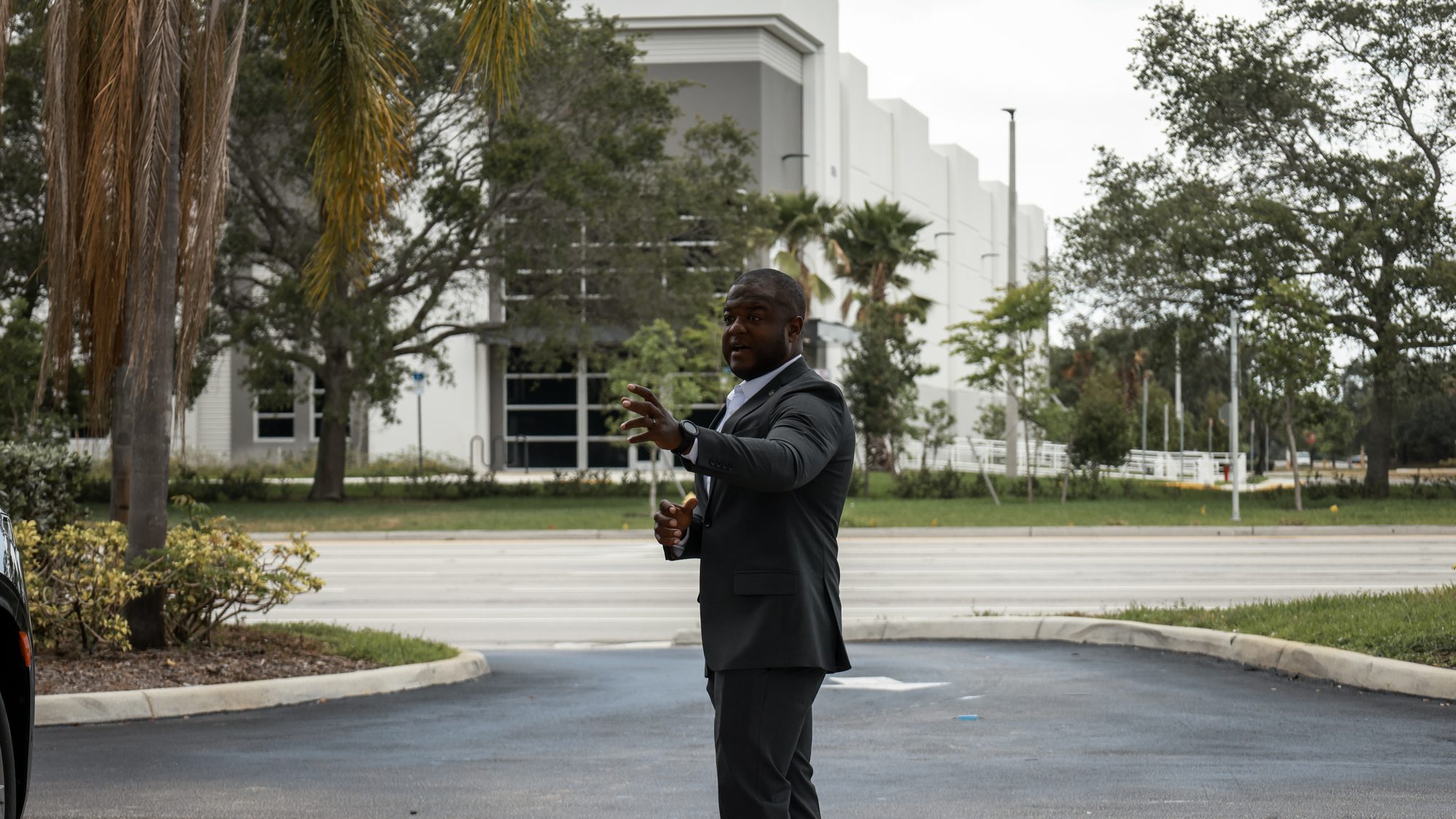
Online threats often begin with ordinary personal details: an address, a phone number, or the name of a family member. Reducing what is easily found removes useful starting points.
Executives, public figures, physicians, high-net-worth families, and executive-protection clients whose home address or family details create a physical security concern.
An executive's exposure can become a path into the organization. Reducing what is findable about leaders and key people narrows what phishing and social engineering can use.
An ex who found a new address, a stalker, or scam calls that know too much. You do not need to be a public figure to want your personal details made harder to find.
The first step is understanding what is already exposed. That picture is usually larger than expected.
Data brokers collect and resell personal details. A single search may return information that helps someone locate you, reach you, impersonate someone you trust, or build a convincing story around your life.
Current and past home addresses, sometimes paired with a map. That is the detail that can turn an online grievance into someone at your door.
Phone numbers and email addresses, which can support phishing, scam calls, and account-takeover attempts aimed at you or your business.
Names of spouses, children, and relatives. Those details help a stranger sound familiar and apply pressure through the people around you.
Finding the listings is only the start. Removing them and watching for their return is the ongoing work.
You can request removal from data brokers yourself. Doing it thoroughly means finding hundreds of possible listings, following different opt-out processes, and repeating the work when information returns.
We securely collect the identifying details needed to distinguish your records from someone else's and search accurately.
We look across the broker ecosystem and organize the places where your information is exposed.
We work through the removal process site by site and follow up where a listing is not taken down on the first request.
We keep checking for listings that return and submit removal requests again when they reappear.
Monitoring matters because a completed removal is not necessarily a permanent one. That limit should be clear before you start.
No legitimate service can guarantee that every trace of a person will be erased from the internet completely and permanently.
A profile removed today can return later from a fresh public record or another data source. Removal is not one-and-done, and it is never total.
The value is not a single cleanup. It is continued attention, so a listing that returns can be found and addressed again.
The scope is continuous and the limits are honest. That gives you a protection measure you can evaluate clearly.
No. Removal is not total or permanent because data brokers rebuild profiles from new records and sources. We work across a large number of sites and continue monitoring so returned listings can be addressed again.
You can request removal from individual brokers yourself. The difference is the volume of sites, the time required to navigate their processes, the follow-up, and the continuing monitoring after the first round of removals.
No. The service is important for people with elevated exposure, but it is available to anyone whose personal details create a privacy or security concern.
Yes. A spouse, child, or close relative can expose the same address or provide another path toward the person being protected. We can scope coverage around the people whose information affects the risk.
Timelines vary by broker and by the complexity of the record. Some removals may happen quickly; others take follow-up. We will not promise a universal removal time or a permanent result.
Pricing depends on whether the scope covers one person, a family, or a team, and on the amount of exposure found. We start by understanding the scope, then explain the coverage and price clearly.
Reducing your exposure protects one side of the equation. Understanding the people getting access protects the other.
Information removal rarely stands alone. These explain the protection work around it.
Reducing what can be found is part of protecting a person before a visible response is needed.
Read itA practical view of how organizations identify concerns, reduce exposure, and plan a response.
Read itWhat careful planning covers before, during, and after a difficult employment decision.
Read itTaking personal details offline is one layer. The surrounding plan determines what happens when concern becomes action.
Discreet protection built around a person's real movement, exposure, and risk.
Learn moreInvestigation scaled to the access being granted to a person, vendor, or business.
Learn moreArmed and unarmed Officers for properties, sites, and organizations across Florida.
Learn moreTell us whose information is creating concern and what is happening. We will explain what can be reviewed, what removal can realistically do, and what continued monitoring covers.
We use cookies to measure how the site is used and whether our advertising is working. Our Cookie Policy has the detail, and you can change your answer whenever you like.